












The great Indian protein makeover, ETEntrepreneur
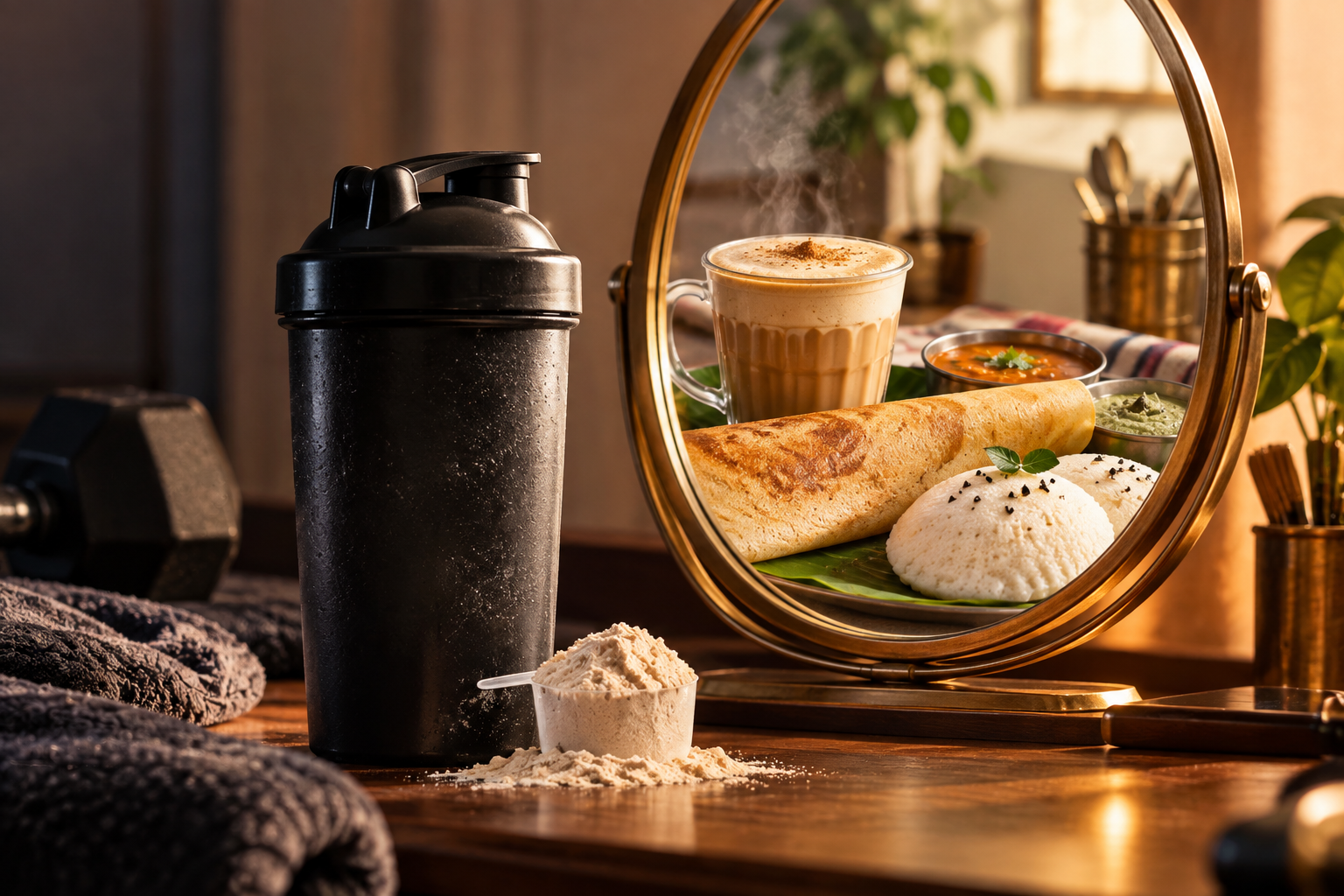
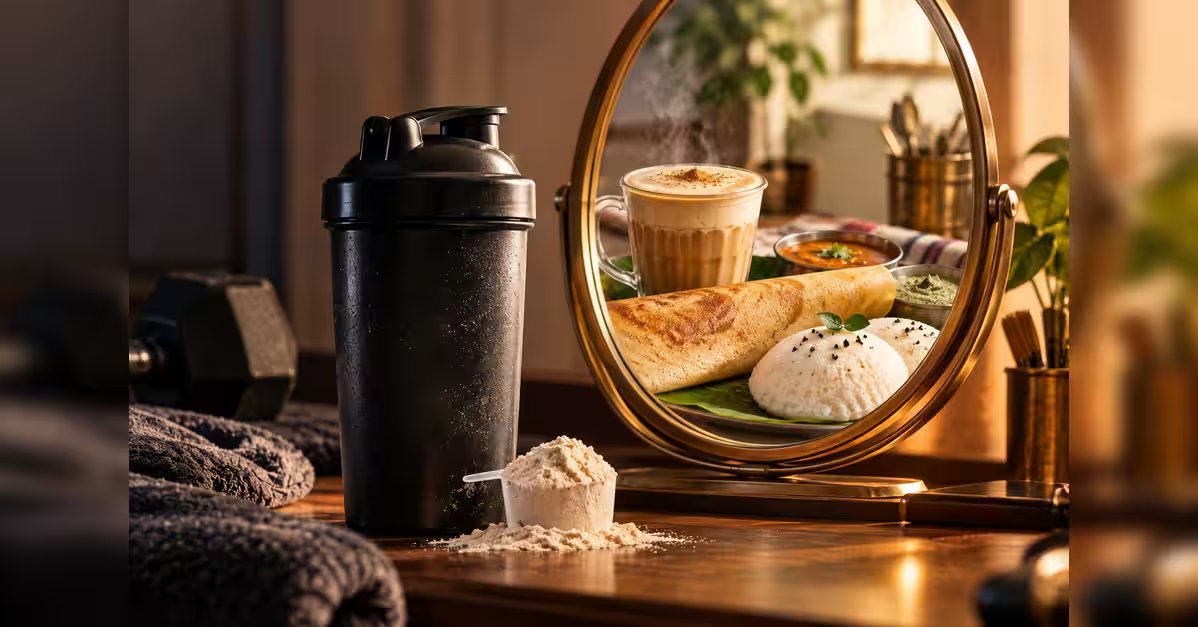
A few years ago, if you wanted more protein, you probably reached for a scoop of whey. Today, you could just order a dosa.
The protein is in the batter. It is in the chapati, paneer and kebab in your refrigerator. It is being added to coffee at Starbucks and folded into wafers, milkshakes and other everyday foods.
For P.C. Musthafa, co-founder and global CEO of iD Fresh Food, the shift became personal. His 16-year-old son had started looking at what went into his food and counting his carbohydrates. The question for the father, therefore, was how to make something as familiar as idli and dosa relevant to him.
“It is important for me to make sure that idli becomes relevant for him,” Musthafa said. “So that’s where the protein idli dosa batter was launched.”
Two idlis made with iD’s protein batter contain 15 grams of protein. The company has since expanded the range to protein chapati and protein paneer.
There is a larger shift unfolding in India’s protein market.
For years, protein was largely sold as a dedicated product: a powder, a bar, a shake or a supplement. Increasingly, food companies are taking the opposite approach. Instead of asking consumers to build a new protein habit, they are putting more protein into habits that already exist.
“Protein is moving from being a product to becoming an attribute,” said Sanil Sachar, managing partner at Huddle Ventures.
The funding activity around the category is beginning to reflect the shift. The Whole Truth Foods raised $51 million in February, while SuperYou raised ₹63 crore in December last year.
The category is also drawing strategic interest: Marico acquired a 60 per cent stake in protein and wellness brand Cosmix for ₹226 crore in February, giving another indication of how established consumer companies are looking at the opportunity.
From the supplements aisle to the kitchen
The first generation of India’s protein market largely targeted the performance consumer: gym-goers tracking macros, buying whey and adding a post-workout shake to their routine.
The newer generation is trying to remove the ritual altogether.
Protein Pantry, for instance, began with a simple question: how do you get consumers to eat more protein without asking them to change what they eat? The company has built a range of ready-to-cook frozen foods including soya chaap, kebabs, cutlets and falafels, with protein integrated into foods that can sit on a regular household plate.
Protein Pantry raised ₹9 crore last month in a seed funding round led by Sharrp Ventures.
iD Fresh is taking a similar approach from a different starting point. Its protein range now spans idli and dosa batter, chapatis, parotas and paneer. Musthafa said the protein batter, launched about two years earlier, is already shaping up to become a ₹100 crore revenue business for the company. The company launched protein chapati and protein paneer after seeing the response.
The speed of that growth is telling. The proposition is simple: instead of asking consumers to add a new product to their routine, change the nutritional composition of something they already know how to eat.
Taste, however, remains the catch.
When asked about the trade-off between protein and taste, Musthafa said the benchmark is straightforward: “If it is something that my mother can eat and she is happy with the product, I think that’s okay.”
Epigamia CEO Ritesh Gauba makes the same point from the dairy aisle. The brand’s protein milkshakes pack 25 to 30 grams of protein into a 250 ml serving, but Gauba argues that protein alone cannot sustain a product.
“While high protein drives the initial trial, exceptional taste is what secures repeat purchase and long-term brand loyalty,” he said.
Then protein entered the coffee run
The shift becomes even more interesting when protein leaves the supermarket and enters consumption occasions that had little to do with fitness.
In India, Starbucks and SuperYou have taken protein into the café. Their protein cold foam can be added to existing cold beverages. The foam can add between 11 and 18 grams of protein depending on the variant.
Other collaborations are following the same playbook. Specialty coffee chain Subko has partnered with The Whole Truth on protein-enhanced coffees, beverages and smoothie bowls. Only What’s Needed has worked with abCoffee.
For protein brands, these partnerships also solve a distribution problem. Direct-to-consumer and quick commerce can put a product in front of consumers, but cafés offer something different: discovery through an existing habit.
The consumer does not necessarily need to walk into a Starbucks thinking about protein. They can walk in wanting a coffee and encounter protein as an addition to it.
Sachar sees the market as moving through three overlapping groups.
The first is the performance consumer who already understands macros, whey and supplements. The second is a health-aware consumer who may not be particularly interested in fitness but is looking for better breakfast options, milk, snacks or staples. The third is the household buyer, who could eventually bring protein into the grocery basket for children, parents or aging family members.
“That smaller format is interesting because it reflects something we see repeatedly in Indian consumer: premiumisation often scales through pack architecture, not simply through lowering the headline premium. Give consumers a ₹25 entry point rather than asking them to buy a ₹500 box. Small steps will lead to repeat behaviour till it’s normalised. Ultimately, mass adoption will come when the consumer stops calculating the price as a protein tax,” Sachar said.
The commercial opportunity expands with every step.
The first generation of protein products asked consumers to add something to their lives: buy the powder, find a shaker, make the drink and consume it at a particular time.
The newer generation asks them to do almost nothing differently.
“Don’t change what you do, rather change what is inside it,” Sachar said.
Quick commerce is helping accelerate this shift by making experimentation easier. A consumer can encounter a protein version of a familiar food alongside the conventional version and make a relatively low-friction trial. Cafés and QSRs provide another route, allowing protein brands to borrow the frequency and familiarity of established food occasions.
But does everything need protein?
There is a risk that the enthusiasm around protein turns into indiscriminate fortification.
Gauba is wary of exactly that.
“Blindly fortifying every category with protein is a flawed strategy,” he says. “True innovation is consumer-led, not trend-obsessed.”
For brands, the harder questions are whether the addition is nutritionally meaningful, whether the product still tastes good, whether consumers buy it again and whether the economics work.
Sachar frames the investor question differently: who owns the consumer, and who owns the occasion?
That distinction could determine which products survive after the protein boom moves beyond early adopters. Eventually, consumers have to stop thinking of the extra cost as a ‘protein tax’.
There is room to take the proposition into Indian staples, affordable vegetarian foods, children’s nutrition, healthy ageing and food-service occasions. But the underlying proposition remains the same: make the food people already want to eat work harder.
“Protein started in the gym, moved into the kitchen, and the next step is getting it to the household grocery budget,” Sachar said.














Post Comment