







Beyond PM Modi’s gold appeal: The real fix is circularity, ETEntrepreneur
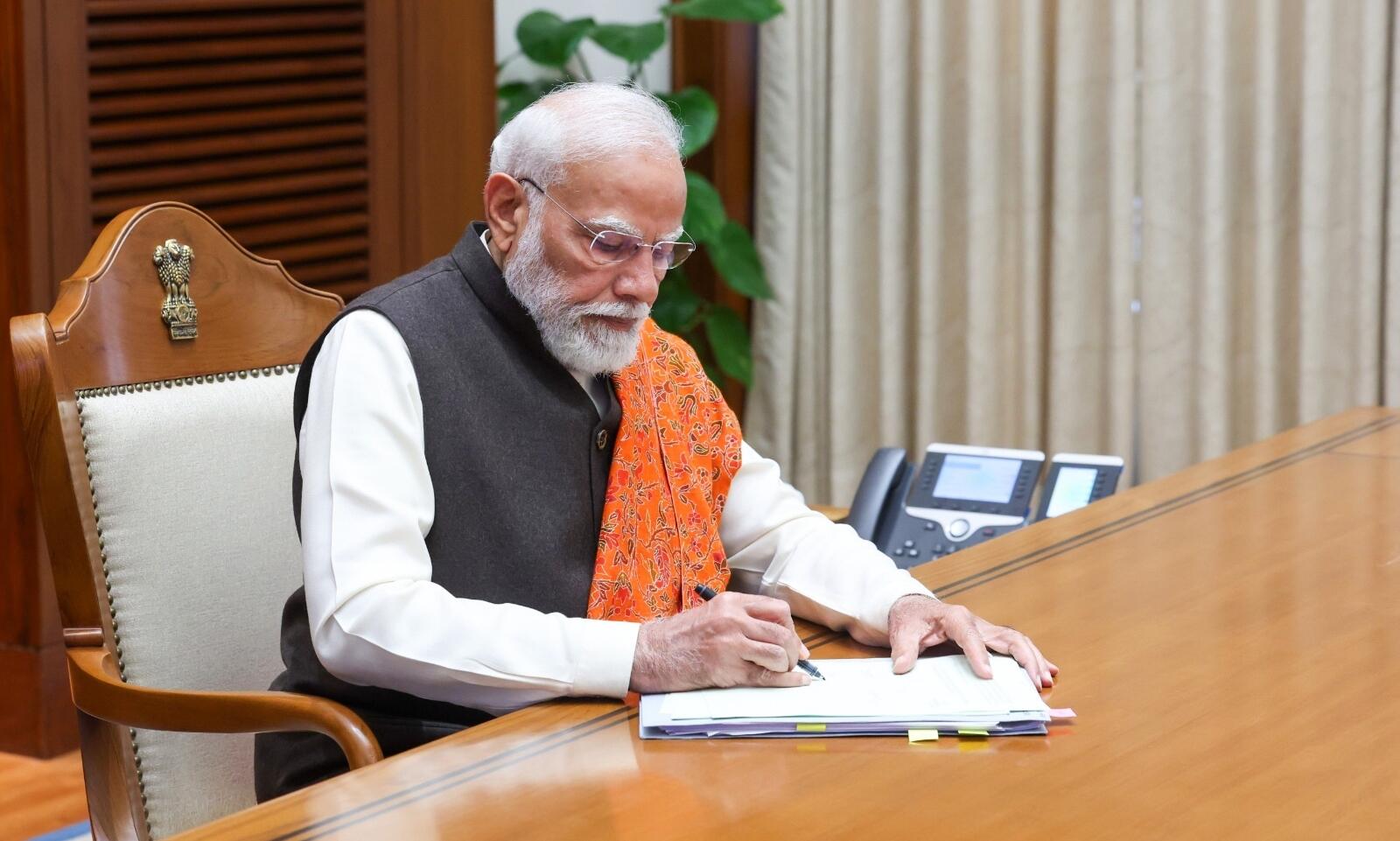
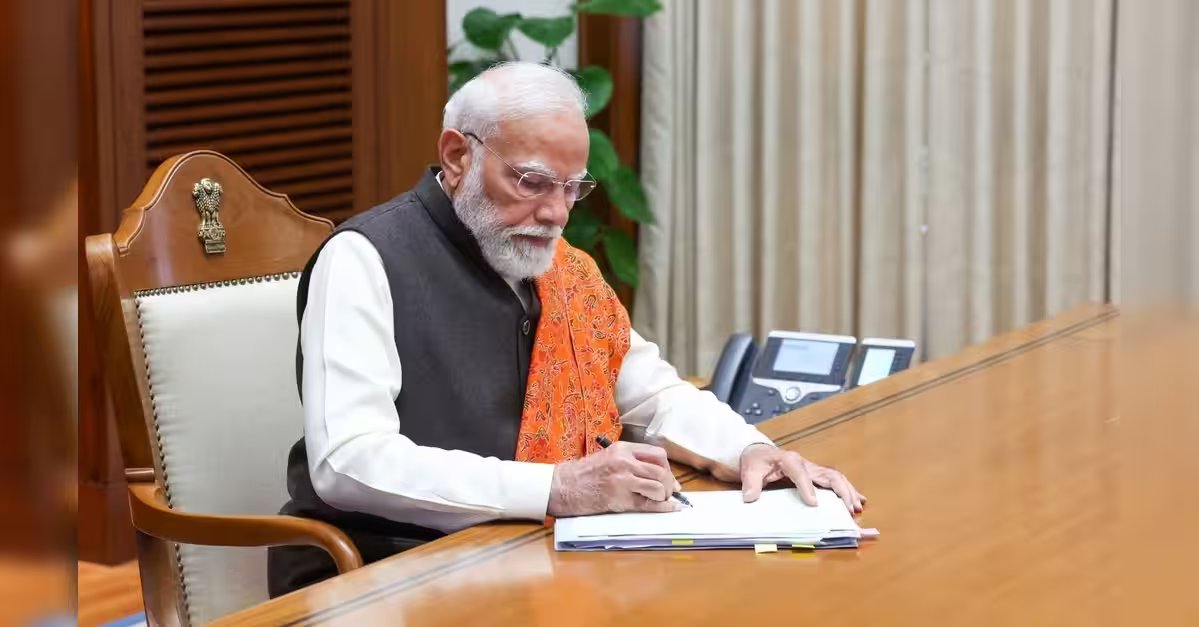
When Honourable Prime Minister Narendra Modi asked Indians to hold off on buying new gold for a year to ease pressure on the country’s foreign exchange reserves, the appeal was framed as austerity. But look closer, and it points to something more structural: India does not need to import its way to meeting gold demand. It already owns most of the gold it will ever need — sitting in almost every household, locked in lockers, temples and old jewellery boxes. The real opportunity is not abstinence. It is circulation.
Gold is India’s second-largest import item by value, and that number carries consequences beyond a trade statistic. Every tonne bought from abroad puts pressure on the rupee, widens the current account deficit and consumes foreign exchange that could serve other national priorities. The Prime Minister’s message, whatever one makes of a one-year pause on purchases, was really an invitation to rethink how India sources its gold in the first place. And the answer has been sitting in plain sight: recycling.
India is estimated to hold tens of thousands of tonnes of gold in private hands — a stock built over generations through weddings, inheritance and savings. Very little of it currently gets recirculated into the formal economy in an organised, transparent way. That is beginning to change, and the shift is being led by industry rather than mandate.
A leading gold jeweller recently shared that nearly 80 per cent of its gold demand is already met through customers exchanging old stock, a striking indicator of how deeply recycling has embedded itself into retail gold buying. Research is showing a new generation of buyers increasingly asking where their gold comes from — a sign that responsible sourcing is no longer a niche concern but a mainstream expectation. The World Gold Council has been pushing a parallel argument at the policy level: that responsible domestic mining and recycling, taken together, can meaningfully reduce India’s dependence on imports over time.
My own vantage point in this conversation is credit. Gold loans have quietly become one of the most efficient ways to keep gold liquid and useful without extracting it from the economy at all. When a household pledges gold to access credit rather than selling it outright, that gold does not leave the country’s stock — it stays exactly where it is, continuing to serve as a store of value, while the credit unlocked from it flows into working capital for a small business, a medical emergency, a child’s education or a farmer’s input costs. This is circularity in its most practical form: gold that never needs to be imported, recycled or even melted down, yet still does economic work. For MSMEs in particular, many of whom struggle with formal collateral, gold loans have become a dependable bridge to credit — fast, accessible and built on an asset Indian households already trust.
Alongside this, the financialization of gold — through ETFs and digital gold products — is giving Indians a way to hold gold’s value without holding the metal itself, reducing physical import demand at the margin while still letting gold play its traditional role as a hedge and a store of value.
Put together, these threads — organised recycling, responsible sourcing, credit against existing stock, and financialization — describe a gold economy that relies less on the import counter and more on what India already owns. This is not a call to stop buying gold; it is a case for buying and using it differently. A ring exchanged for a new one, a loan taken against family gold instead of a fresh purchase, a digital gold product bought instead of physical bars — each of these keeps value circulating domestically rather than adding to the import bill.
The Prime Minister’s appeal captured a real and urgent macroeconomic concern. But the more durable answer to India’s gold dependency will not come from a year of restraint. It will come from building the transparency, trust and infrastructure needed to treat India’s enormous existing gold stock as a genuine national resource — one that can be recycled, financed and circulated for decades to come, rather than left dormant while the country keeps importing more of the same metal it already has in abundance.
(The article is authored by Mayank Sharma, President and Head, Gold Loans, IIFL Finance. The views and opinions expressed are solely those of the author. ETEntrepreneur does not endorse or take responsibility for the content.)













Post Comment