








Protein Pantry Secures ₹9 Crore Seed Funding to Revolutionize High-Protein Vegetarian Foods, ETEntrepreneur
Protein Pantry, a high-protein vegetarian frozen food brand, has raised ₹9 crore in a seed round led by Sharrp Ventures, with participation from Peercheque, Consumer Collective by Atrium and Indian Silicon Valley Capital, alongside angels including Varun Alagh of Honasa, Rishubh Satiya of Plix, Avnish Anand of CaratLane, Arush Chopra of Just Herbs and Saurabh Munjal of Lahori Zeera, among others.
The company plans to deploy the fresh capital primarily towards setting up and scaling its manufacturing unit, while continuing to invest in R&D and supply chain. The balance will go towards marketing and working capital.
Protein Pantry also plans to expand its product range into new formats over the next 12 to 24 months.
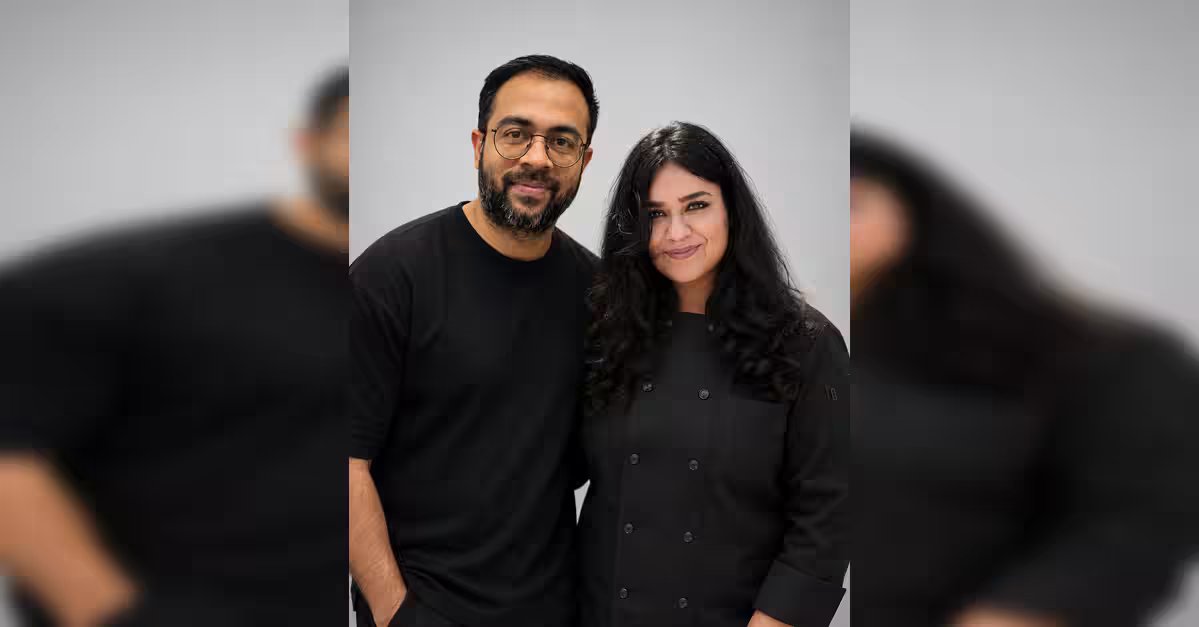
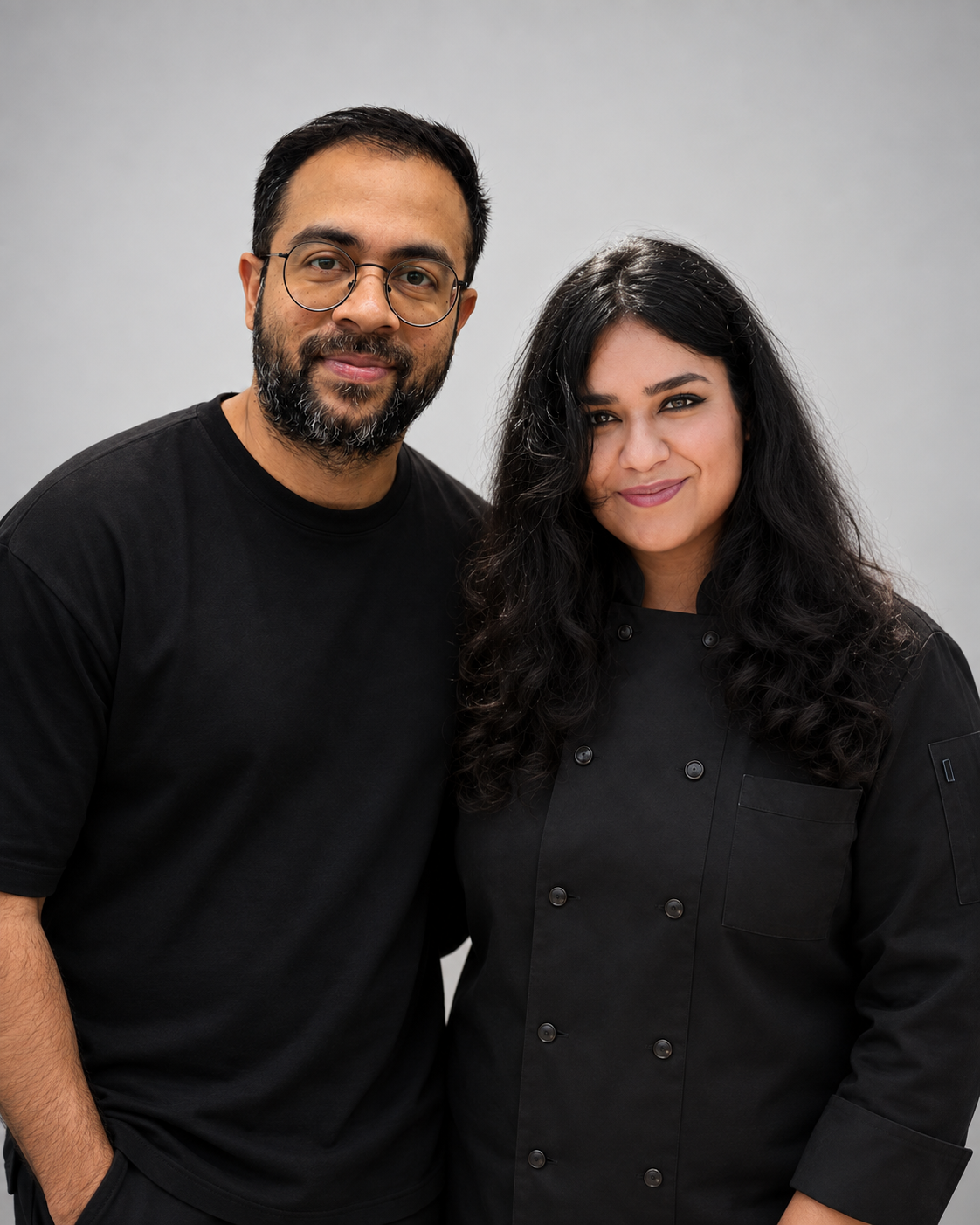
Founded by Disha Bhattacharya and Prashanth Bhushan, the Delhi-based startup is building a range of ready-to-cook frozen foods around high-protein vegetarian meals. Its current portfolio includes soya chaap, kebabs, cutlets and falafels. The products are baked rather than fried and are made without refined flour, preservatives or palm oil, while the company produces its marinades, sauces and chaap base in-house.
For Bhattacharya, who started her career as a chef before moving into marketing, Protein Pantry began with a problem inside her own kitchen.
Both founders were working demanding corporate jobs in Mumbai, while trying to maintain a higher-protein diet. Bhattacharya said she was increasingly frustrated by the lack of convenient options for everyday meals.
“Coming back home every day and being welcomed by paneer in some form or the other started getting a little overwhelming and repetitive,” she told ETEntrepreneur. “Being on a calorie deficit or just trying to eat healthier became a struggle.”
The problem, she said, was not necessarily a lack of products positioned around protein. Instead, it was the absence of convenient options for the meals that make up the bulk of what people actually eat.
“There are a bunch of these protein chips, cookies that keep launching. But the biggest pain point still remains: What are you going to eat for your main meals?” Bhattacharya said. “They account for most of your calories, most of your protein, most of your consumption occasions. But nothing really is out there to simplify cooking that process.”
She initially began experimenting with recipes at home, trying to create meals that were high in protein without becoming excessively calorie-dense.
“I used to meal-prep and tried to figure out: how low in calories can I make this? How low can it really go without starting to taste weird or dense?” she said. “The more protein there is in something, the more dense it gets.”
What started as an attempt to solve the problem for the founders gradually expanded into a business opportunity as people around them began asking about the food they were making.
Building the manufacturing layer
The next challenge was figuring out how to manufacture the products at scale.
Bhattacharya said the founders initially followed the conventional route of looking for a contract manufacturer. They spent almost a year trying to find a facility that could produce the kind of Indian, high-protein frozen foods they wanted.
“The truth of the matter is that for the kind of products that we want to develop, there are no clean manufacturers for it,” she said. “The Indian protein category is still very unorganised. There is a lack of standards and a lack of hygiene.”
That pushed the founders towards building their own manufacturing setup. They started with a small commercial kitchen, roughly the size of a bedroom, and bought the equipment required to produce and freeze the food themselves. The company also worked with a food scientist to take Bhattacharya’s recipes and make them commercially viable.
Shelf life and product stability were another consideration. Unlike categories such as snacks, where established manufacturing processes are more readily available, the founders had to develop and test their own processes.
“We decided to do the harder things at the start,” Bhattacharya said. “We went about it in a scientific and methodical way.”
Protein Pantry’s products are distributed entirely through a frozen supply chain. Bhattacharya said the company’s products have a shelf life of six months when kept frozen.
That manufacturing approach is now central to the company’s expansion strategy. Bhattacharya said owning manufacturing gives Protein Pantry greater control over recipes, nutritional composition and pricing.
“We started Protein Pantry to move protein beyond the supplements aisle and into everyday Indian meals, with options that are vegetarian and have fewer calories,” she said. “That rests on owning our manufacturing end-to-end. It gives us full control over our recipes and macros, and lets us hold our pricing as commodity costs climb across the protein market.”
Protein as food, not just supplements
The company’s positioning is built around treating protein as part of an everyday meal rather than as a supplement or snack.
Bhattacharya said the founders spoke to around 250 consumers before putting the first products together. Those conversations established three broad requirements: vegetarian options, food that could simplify cooking, and a high-protein product that did not undermine the nutritional proposition by being excessively high in calories.
“High protein has always been our North Star since we started,” she said. “And I think the second would be taste. India is a foodie country. Everyone’s really excited about interesting, strong flavours. We knew that we wanted to make something delicious and not just functional.”
The founders also wanted the products to use familiar ingredients rather than ingredients that consumers would associate with supplements.
“We wanted it to have textures and flavours that are familiar, and ingredients that you would only use in your kitchen,” Bhattacharya said. “We didn’t want to go beyond that.”
That thinking has also influenced the company’s product development process. Rather than betting on one or two hero products, Protein Pantry has continued to add formats and flavours based on customer feedback.
“We want to be a part of people’s everyday plate,” Bhattacharya said. “People are eating dal chawal with some cutlets, kebabs, and making a wrap out of our products. So, flavour diversification really matters.”
She said new products are developed in-house, tested with employees and shared with both loyal customers and critics before launch.
“We send samples to our most ardent fans of Protein Pantry. We also send it to haters. And whatever we feel has some consensus, we end up launching it.”
From D2C to quick commerce
Protein Pantry launched in November 2025 and has since expanded its D2C presence across Delhi, Mumbai, Bengaluru and Jaipur. It is also available through quick-commerce platforms including Blinkit, FirstClub and Flipkart Minutes across Delhi, Mumbai, Bengaluru and Hyderabad.
The company said it has served more than 30,000 households and plans to enter Pune, Kolkata, Lucknow, Chandigarh, Ludhiana and Chennai on quick commerce by the end of the year.
Quick commerce is expected to be the company’s primary expansion channel in the near term, followed by modern trade and eventually general trade. The model, however, comes with an additional operational challenge because the products need to remain frozen throughout the supply chain.
“It’s a delicate product. It is all learning for the first time for us, so we want to get it right,” Bhattacharya said.
The company has been deliberately measured in its expansion so far, but Bhattacharya said it is now ready for a broader rollout through quick commerce.
The brand’s customer base also extends beyond the traditional fitness consumer. While Bhattacharya said a large portion of its customers are gym-goers, the company sees its proposition as relevant to anyone looking for more convenient, nutritionally focused food.
“Everyone needs food,” she said. “Whether it be a gym-goer, some kid who’s staying up late and studying, or a mom who is really frustrated and wants something for her kid and herself. We’re here to tap into the universal need for better food.”
She identifies busy young adults, including working professionals and college students, as an early customer segment.
For the founders, the longer-term ambition is to build what the name itself suggests: a pantry of everyday protein foods rather than a collection of protein snacks.
“We wanted to build a pantry where your protein food resides,” Bhattacharya said. “Our products, you can just heat and eat, but your creativity is really where it’s at.”
She pointed to customers using the company’s products in different meals, including making shakshuka with its falafel and tacos with its tandoori chaap.
“We’re just a means, a core ingredient, a lean protein ingredient for your creativity to take flight,” she said. “And that’s why the name Pantry.”













Post Comment